
Searching for a Warrant in Montgomery County
Georgia's warrant guidance points people to the sheriff of the issuing county. Montgomery County posts no sheriff-hosted name search. A warrant check here means direct contacts instead. The Montgomery County Sheriff's Office fields questions about county service and custody. For the order itself, call the court named on the notice, citation, or case file. Prepare a full legal name and date of birth. Share sensitive identity details only through an office's private channel. A lawyer can help you plan a safe inquiry. That advice matters most when the outstanding warrant might be your own.
- Identify Montgomery County and the likely issuing court from any citation, notice, or case number.
- Call the Sheriff’s Office and ask which desk can confirm county warrant service or custody information.
- Contact Probate, Magistrate, Superior, or the named municipal court for its own case status.
- Use PeachCourt for available Superior Court documents, or make a focused Georgia Open Records Act request to the record holder.
- If the county is uncertain, use Georgia’s county-by-county guidance, then consult counsel before an in-person inquiry.
Montgomery County Has No Public Warrant Portal
Montgomery County publishes contacts, court functions, calendars, and payment routes, but no public name field for current warrants. The state's existing-warrant guidance agrees. It says no single portal covers all Georgia counties. Instead, contact the sheriff for your county. Have a first name, last name, and date of birth ready when you do.
Quick answer: Montgomery County publishes no official online warrant list, and an empty web search cannot prove that no warrant exists.
An order can sit with a Montgomery County court, be too new for any list, or be restricted from view. City records may never reach a county source. Only the issuing court can confirm current status.
Warrant Search Fields Explained
Montgomery County offers no public query form, so these are preparation fields, not website controls. Georgia guidance suggests a name and date of birth. A court or sheriff may request more detail to separate people with similar names. Montgomery County publishes no warrant-number pattern. Nor does any rule make every field mandatory.
| Field Label | Type | Required | Notes |
|---|---|---|---|
| Last Name | Identity detail | Office decides | Use the full legal spelling |
| First Name | Identity detail | Office decides | Add a middle name if requested |
| Date of Birth | Date | Office decides | Helps separate common names |
| Case or Citation Number | Record identifier | No public rule | Routes the question to the right file |
| Court or Jurisdiction | Agency detail | No public rule | Use the court printed on the paperwork |
Never post a full birth date in an open online request. Ask each Montgomery County office how it accepts identity data.
Montgomery County Sheriff or Issuing Court
The sheriff and the court play different roles. A judicial officer issues the warrant. The clerk keeps the court record. The sheriff or another agency serves it. For service and custody questions in Montgomery County, start with the sheriff; for the reason behind an order, a missed appearance, a recall, or a case filing, start with the court.
Sheriff contact
The county sheriff page lists 208 East Broad Street in Mount Vernon and 912-583-2321. A county jail report and the Georgia Sheriffs’ Association list 912-583-2521. Neither is identified as a dedicated warrant line, so call first and ask for the correct desk.
Court contact
The county courthouse is at 400 South Railroad Avenue. The Clerk of Superior Court route applies to felony case records, while Magistrate Court, Probate Court, and city courts handle different lower-court matters.
Keep the two offices and phone sources separate. Before appearing in person, confirm Montgomery County hours, ID rules, and any custody risk.
What a Warrant Search Shows
Montgomery County posts no live warrant listing. The fields below sketch an expected record model drawn from court, sheriff, and Georgia warrant materials. They show what an agency file may contain. A public web result guarantees none of it.
| Warrant or Case Number | An agency identifier, shown here only as NUMBER NOT PUBLISHED; no local format was found. |
|---|---|
| Name | The person named, subject to careful identity matching. |
| Charge or Offense | An alleged offense that may appear as an abbreviation or code. |
| Issuing Court | Magistrate, Superior, State, Probate, or Municipal Court, depending on the matter. |
| Issuance Date | The date a judicial officer issued or signed the warrant. |
| Bond or Release Status | A court-controlled field; no Montgomery bond schedule was located. |
| Service or Recall Status | Issued, served, returned, recalled, quashed, or otherwise updated. |
Read the court and status fields together. A web copy can lag behind later court action, and Montgomery County case papers are not a real-time custody check.
Montgomery Superior Court Documents on PeachCourt
Georgia Courts lists the Montgomery County Superior Court on PeachCourt. The provider requires an account. It controls its own search fields and may charge fees under its current terms. This route can surface case documents. It is not an active-warrant index, though, and it cannot replace direct confirmation. The official e-access notice draws that provider-and-account line. A Montgomery County warrant lookup through court documents may demand a sign-in and still leave warrant status unresolved.
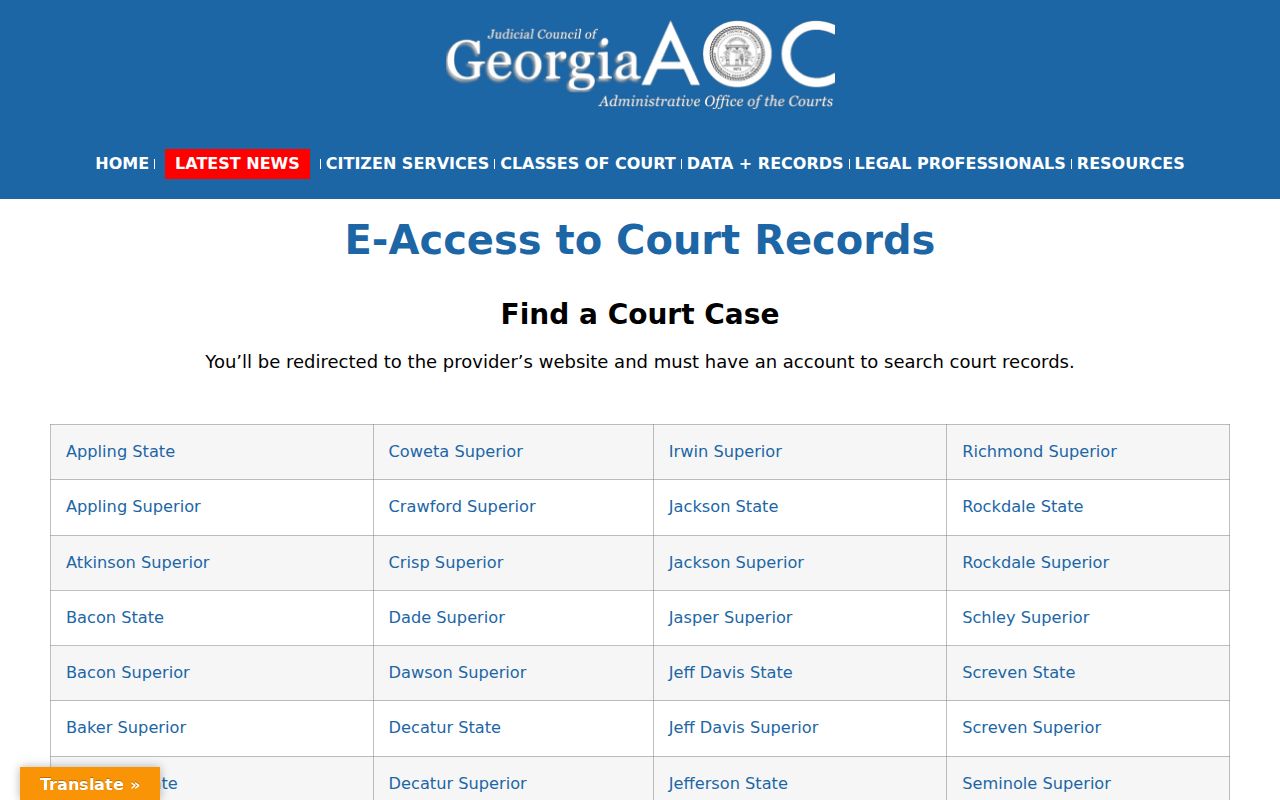
Not everything shows up there. Sealed, restricted, newly filed, municipal, Magistrate, or law-enforcement-only material may not appear in Montgomery County results. Ask the Clerk of Superior Court for the file and the sheriff about service or custody.
Where to Check Warrants in Montgomery County
Start with the record's jurisdiction. Magistrate Court handles warrant applications, first appearances, preliminary hearings, and bond hearings. Probate Court takes Montgomery County misdemeanor traffic citations. A city municipal court may handle an ordinance ticket. Superior Court and its clerk hold the felony case records. The sheriff covers county law-enforcement service and custody. There is no public statewide warrant search. The Georgia Crime Information Center runs round-the-clock criminal-justice information exchange for law enforcement, yet the public cannot open a GCIC self-search account. Calendars list events, not warrant status, and federal matters belong to the Southern District of Georgia's Dublin Division and the U.S. Marshals Service rather than a Montgomery County lookup.
Focused Montgomery County Records Requests
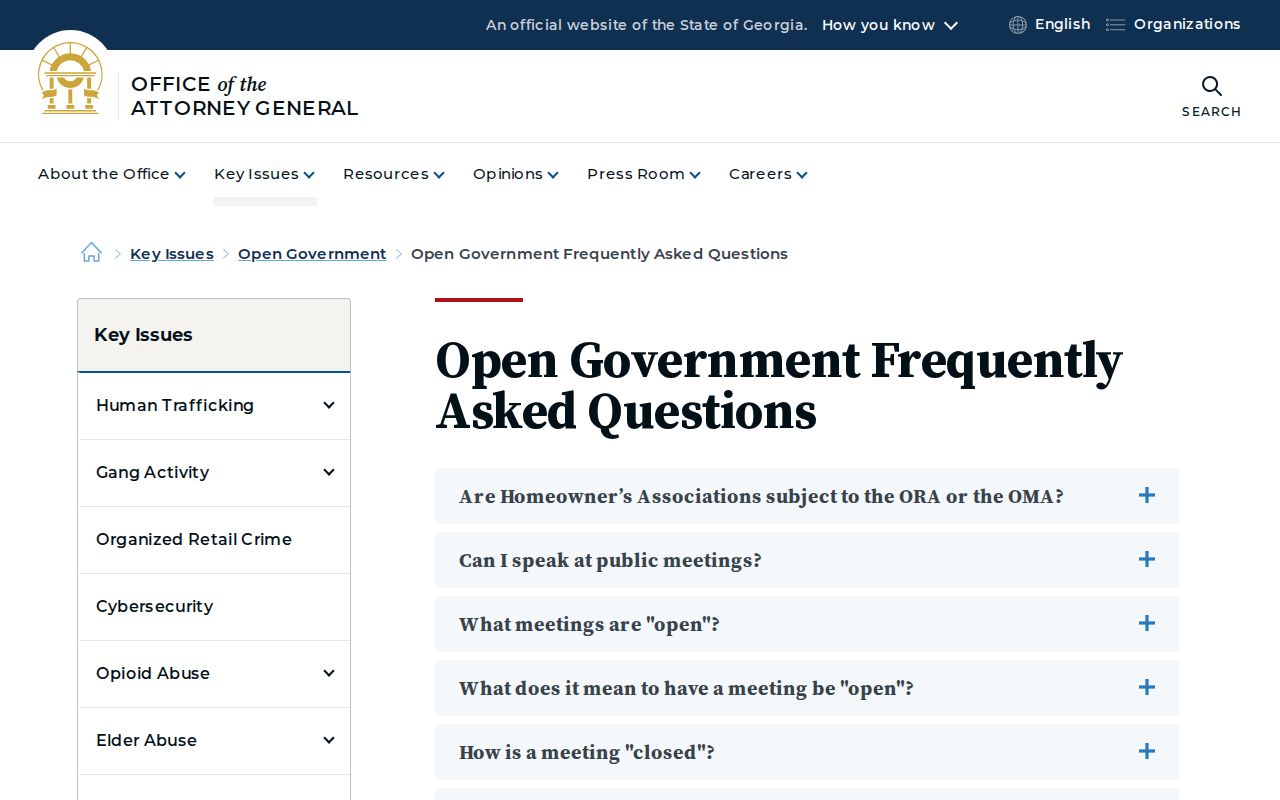
An open-records request under the Georgia Open Records Act works best when you ask for something specific: a warrant policy, a retention schedule, a public case document, or a dated count if the office keeps one. Send the request to whichever office actually holds the record. In Montgomery County, that means knowing who keeps what. The sheriff may hold a service log. The Clerk of Superior Court may hold a case document, while Probate or a municipal court may hold a citation file. Agencies do not have to build a report they never maintained. The Georgia Attorney General’s open-government guidance spells out that boundary and what a requester can rightly expect from any office.
Expect the agency to name its lawful costs or claim an exemption. Montgomery County’s general contact form is a fallback only, not a records portal and not a warrant search. A records request is also a slow route if custody risk or timing matters. Call the issuing court instead for personal status confirmation.
Restricted Warrants and Access Rules
Georgia access law does not open every warrant-related item at every stage. Sealed files, juvenile matters, protected personal data, and active investigative material can be withheld or redacted. An arrest-warrant affidavit may stay closed until the investigation ends or prosecution finishes, subject to legal exceptions. Montgomery County offices follow those same rules.
Key rules:
A sealed warrant is not available merely because someone asks for it.
Juvenile and protected identity information can remain restricted under Georgia law.
A missing public result does not establish that no warrant exists or that an older warrant was cleared.
When access is denied, the agency must cite its legal basis if the law requires it. Ask narrowly. A request for one named warrant record usually draws a clearer answer than a demand for every warrant in Montgomery County.
Verify a Montgomery County Warrant Result
A match is only the start of verification. Check the full name, the date of birth given privately, the case or citation number, the issuing court, and the status date. Then ask the Montgomery County court whether a reset, recall, payment, or later order has appeared, and ask the serving agency whether its record has caught up. Systems lag each other. A payment portal can take your money without proving a warrant was recalled at that moment. A calendar can list a hearing yet say nothing about the warrant itself. PeachCourt can show a document while leaving service status unclear. If a Montgomery County warrant may still be active, talk with an attorney before any in-person inquiry or voluntary appearance. Georgia’s own guidance warns that asking in person can lead to being taken into custody.